
From Mesopotamia to the Mediterranean: Key Stops in History, Culture, and Nature

Diyarbakır City Walls & Hevsel Gardens – Diyarbakır Historical Sites
Listed as a UNESCO World Heritage Site, the Diyarbakır City Walls are among the longest and best-preserved ancient walls in the world. Stretching over 5 km and constructed from black basalt stones, they bear witness to Mesopotamia’s ancient history.
The Hevsel Gardens, located along the Tigris River, have supported local agriculture for centuries. This fertile ecosystem is a perfect blend of nature and culture and a great spot for birdwatching. It is a must-see on any Diyarbakır tour.
Diyarbakır Grand Mosque & Hasan Pasha Inn
The Diyarbakır Grand Mosque is one of the oldest mosques in Anatolia, known for its simple architecture and serene courtyard.
Next to it, Hasan Pasha Inn has transformed into a cultural hub with cafes, breakfast spots, and artisan shops. A visit here is perfect for tasting local delicacies and soaking in the city’s historic atmosphere.
Malabadi Bridge (Batman)
An engineering marvel of the Seljuk era, Malabadi Bridge spans a branch of the Euphrates River with elegance. Its wide arch and stone craftsmanship make it an impressive stop for history enthusiasts and photographers alike. It’s a highlight on many Southeastern Anatolia tours.
Hasankeyf – Hasankeyf Tours
With a history spanning 12,000 years, Hasankeyf is one of the oldest settlements in Mesopotamia. Its caves, fortress, and bridge ruins provide a unique historical atmosphere. Modern interventions and relocated structures preserve the area’s cultural heritage. Hasankeyf tours are a must for history lovers.
Midyat & Syriac Culture
Known for its stone mansions, narrow streets, and silver filigree (telkari) craftsmanship, Midyat is a rare place where Syriac culture is still alive.
Traditional wine-making and a tolerant community make Midyat tours an immersive cultural experience.
Beyazsu
Near Midyat, Beyazsu offers clear water springs and scenic landscapes, making it an ideal spot for a short nature break. Riverside tea gardens provide a cool, relaxing environment for travelers.
Mardin – The Stone City Overlooking Mesopotamia

Mardin overlooks the Mesopotamian plains with its stone architecture, narrow streets, and panoramic terraces.
Known as a city of peace where different cultures and faiths coexisted for centuries, it is a top destination for Mardin tours.
Zinciriye Madrasa
Built in the 14th century by the Artuqids, the Zinciriye Madrasa is one of Mardin’s architectural gems. Its courtyard, domes, and terrace overlooking Mesopotamia offer stunning light effects at different times of day. A must-see for photographers and history enthusiasts on Mardin tours.
Kasimiye Madrasa
Completed during the Akkoyunlu period, Kasimiye Madrasa stands out for its architecture and symbolic features.
The courtyard water channel represents life’s journey from birth to death, and the high arches and wide views of the plains make it one of the most remarkable Mardin landmarks.
Dara Ancient City
Known as “The Ephesus of Mesopotamia,” Dara Ancient City features Roman-era water channels, underground tombs, and massive stone structures. Its underground cistern is particularly popular among visitors on Southeastern tours.
Nusaybin – Mor Yakup Church
Dating back to the 4th century AD, Mor Yakup Church is one of the oldest Christian worship sites in the region. It is an important historical and religious stop for Nusaybin tours.
Şanlıurfa Archaeology Museum
Many of the most important finds from the Taş Tepeler excavations are displayed at the Şanlıurfa Archaeology Museum. Iconic artifacts, including the famous human statue from Göbeklitepe, provide essential context and scientific interpretation of the sites.
Haleplibahçe Mosaic Museum
Famous for its exceptional Amazon queen mosaics, the Haleplibahçe Mosaic Museum highlights Şanlıurfa’s importance in later historical periods and shows how the region remained a cultural center long after the Neolithic age.
Balıklıgöl and the Abraham Complex
The spiritual heart of Şanlıurfa, Balıklıgöl, reflects the continuity of sacred landscapes from prehistoric times to the present. Visiting this area offers a powerful perspective on how ritual and belief have shaped the region for thousands of years.
Harran
Famous for its conical houses, Harran is unique in the world and carries traces of ancient civilizations. Its historic schools, mounds, and settlement patterns make it a must-visit on Harran tours.
Göbeklitepe – The Zero Point of History

Dating to 10,000 BC, Göbeklitepe is a site that reshaped human history. Even before the advent of settled life, people built temples with large T-shaped pillars adorned with symbolic carvings, offering the earliest examples of ritual life. The modern protective roof preserves the site while allowing visitors an immersive experience. Göbeklitepe tours are a highlight for history enthusiasts.
Karahantepe – A 12,000-Year-Old Human Face Discovery

Contemporary with Göbeklitepe and potentially older, Karahantepe is one of the most exciting archaeological sites in Şanlıurfa. In 2025 excavations, archaeologists uncovered a T-shaped pillar with a clearly carved human face, dating back around 12,000 years. This discovery confirms that Neolithic communities used these monumental stones not only for architecture but also for symbolic and ritual purposes. The detailed facial features—eyes, nose, and cheek contours—offer rare insights into how early Anatolian people represented themselves.
The “Main Room” features human head reliefs, providing unique insights into ancient ritual life. Ongoing excavations make it a living witness to history. Visitors can now experience the artistic and symbolic sophistication of the Neolithic period firsthand.
“It’s not just stone; it’s humanity etched into history,” says one archaeologist, highlighting the profound cultural significance of this find.
This makes Karahantepe tours even more compelling for travelers wishing to explore the earliest traces of civilization, symbolic art, and ritual life in Southeastern Anatolia.
Sayburç
Sayburç is home to one of the earliest known narrative reliefs in human history. The carved scenes depicting humans and animals together suggest early forms of storytelling and symbolic communication.
Sefertepe
With its newly uncovered face reliefs in different artistic styles, Sefertepe offers valuable evidence of both shared beliefs and regional diversity within the Taş Tepeler culture. It is a key site for understanding Neolithic artistic expression.
Ayanlar District, Şanlıurfa
A Glimpse into Local Life and Living Heritage.The Ayanlar area in Şanlıurfa offers an authentic glimpse into the city’s traditional social life, beyond its famous archaeological sites. Known for its strong sense of community, historic houses, and everyday local rhythms, Ayanlar reflects the continuity of settlement in Urfa from ancient times to the present.
Walking through Ayanlar, visitors encounter narrow streets, stone architecture, neighborhood bakeries, and locals who still maintain long-standing customs. This living culture provides an important contrast to the prehistoric landscapes of Taş Tepeler, reminding travelers that Şanlıurfa is not only a place of ancient ruins, but also a city where history continues to be lived.
For travelers interested in understanding Urfa as a layered civilization, visiting areas like Ayanlar helps connect Neolithic heritage with modern Anatolian life.
Taş Tepeler Project
The Taş Tepeler Project is a large-scale archaeological research program currently being carried out at 12 different excavation sites in and around Şanlıurfa. These sites collectively contribute to our understanding of Neolithic societies and early human belief systems.
However, it is important to note that not all Taş Tepeler excavation sites are open to visitors. Several locations remain closed due to ongoing excavations, conservation efforts, and the need to protect fragile archaeological remains. At present, only selected sites can be visited under controlled conditions.
For travelers planning to explore Taş Tepeler, having up-to-date information and a well-structured itinerary is essential. Professional guidance ensures access to visitable sites while providing accurate context about the areas that are still under active research.
Perre Ancient City (Adıyaman)
Perre Ancient City, an important center of the Commagene Kingdom, is notable for rock-cut tombs and impressive Roman-era ruins.
Mount Nemrut – Nemrut Mountain Tours
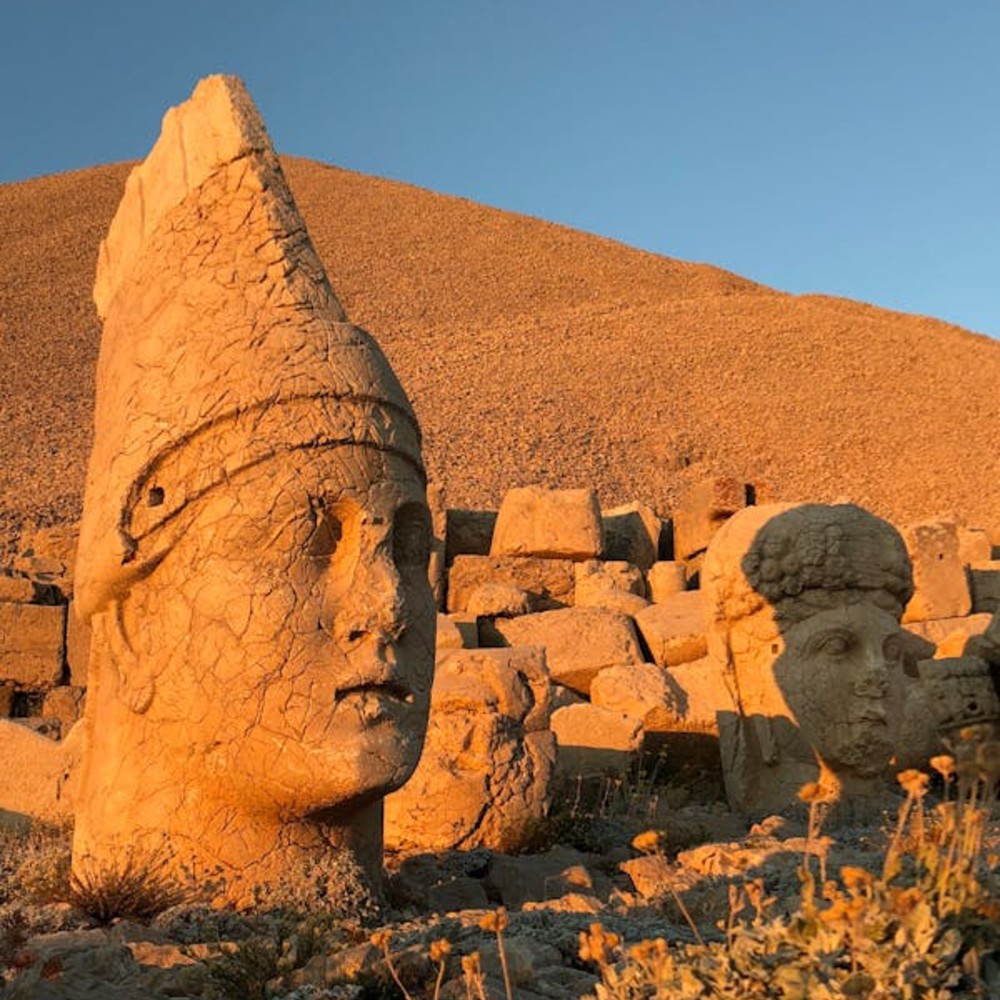
Listed as a UNESCO World Heritage Site, Mount Nemrut is famous for its colossal statues and monumental tumulus. Sunrise views here provide a once-in-a-lifetime experience where history meets the sky.
Halfeti & Rumkale – Halfeti Boat Tours
Explore the submerged Old Halfeti by boat and enjoy the stunning scenery of Rumkale, perched on rocky cliffs over the Euphrates. Both locations are perfect for photography and nature lovers.
Birecik & Sociable Lapwing Birds
Home to endangered Sociable Lapwing birds, Birecik is an important site for birdwatching and eco-tourism.
Zeugma Ancient City & Mosaic Museum – Gaziantep Gastronomy Tour
Zeugma Ancient City houses some of the most impressive Roman mosaics. Many of these are displayed at the Gaziantep Mosaic Museum, including the world-famous Gypsy Girl Mosaic.
Gaziantep gastronomy tours highlight the region’s rich culinary heritage.
Gaziantep – UNESCO City of Gastronomy
Famous for baklava, kebabs, katmer, yuvalama, and hundreds of other dishes, Gaziantep is Turkey’s culinary capital. It’s a key stop for Southeastern Anatolia food tours.
Discover Southeastern Anatolia with BarefootPlus Travel
BarefootPlus Travel tours offer unforgettable journeys from Mesopotamia to the Mediterranean:
• Personalized guided tours
• Comfortable transfers
• Professional archaeology and cultural narrations
• Gastronomy-focused itineraries
Experience the ancient traces of Mesopotamia, immerse yourself in the region’s spirit, and let us design the perfect program tailored for you.